Guides
Ghost Kitchen Inventory Control: Station Checklist
Ghost kitchen inventory control checklist by station, with receiving, storage, packaging, pass, counting, and month-end reconciliation steps.
What to take away
- Stock control in a delivery kitchen fails at five placesthe dock, the walk-in, the dry store, the packaging shelf, and the pass at peak. The checklist below is organized by those places.
- The pass is where inventory becomes orders, and the rule for marking a dish unavailable is written down, not improvised.
- Labels and dates settle every dispute in a shared walk-in.
- Counts follow a risk schedule, and the month ends with a reconciliation against platform statements.
- Every item names who does it, because a checklist without an owner is decoration.
This ghost kitchen inventory control checklist uses the system described in this cluster's inventory guide: an item master, pars based on forecast orders, and two or three supply routes. It turns that system into station-level actions for a Tuesday. Print it, assign the names, and keep it where the station is.
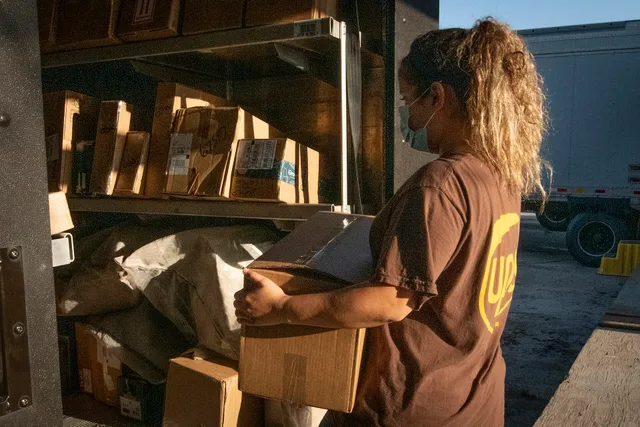
At the receiving dock (whoever receives)
- Delivery checked line by line against the order, not against the invoice.
- Cold-chain temperatures taken and logged on arrival. The FDA Food Code's cold-holding baseline is 41°F or below; confirm the adopted threshold and logging intervals with your health authority.
- Substitutions identified and either accepted by the person authorized to accept them or refused on the note.
- Shorts written on the delivery note and photographed before the driver leaves.
- Dates checked; anything short-dated flagged for first use.
- Invoice filed for the month's reconciliation; the Internal Revenue Service's page on what records a business should keep describes keeping documents that support expenses, and the invoice is that document.
In the walk-in and freezer (shift lead)
- Every item labeled with brand, contents, and date, including prepped batches.
- First-in, first-out rotation done at every put-away.
- Allergen-bearing items stored as the separation plan and the facility's rules require.
- Temperatures logged at shift opening and close, plus any more frequent intervals the health authority requires. Cold-held food stays at or below the FDA Food Code baseline of 41°F. The FDA's model Food Code is a reference many authorities adapt; use the FDA's directory of state retail food codes and agencies to identify the code and agency for your location.
- Your shelves are your shelvesin a shared walk-in, nothing of yours on another operator's shelf and nothing of theirs on yours.
- Daily count of proteins and anything high-value or short-dated.
In the dry store (shift lead)
- Dry goods counted weekly and compared with the item master and current par.
- Dates and package integrity checked at put-away and during the weekly count; older usable stock placed forward for first use.
- Open packages sealed and labeled with contents and date; allergen-bearing goods stored according to the separation plan and facility rules.
- Receipts, issues, and waste recorded so the on-hand count reflects usable stock.
- Low stock flagged for reorder based on par and the supplier's lead time.
Dry store weekly count
- Weekly count against the item master
- Pars reviewed against last week's forecast
- Any par changed is dated
- Damaged or opened packs logged as loss
On the packaging shelf (tablet operator)
- Container, lid, insert, bag, and seal counted weekly, by dish, against forecast orders.
- Any substitute container that arrives is held until it has passed the sealed-transit test; nothing untested ships.
- Reorder placed at the packaging par, allowing for the distributor's lead time on the exact item.
At the pass during peak (tablet operator)
- Reserved stock for the listing's best sellers is not used for staff meals, tests, or another brand's special.
- The unavailability rule is followeda dish is marked unavailable on every platform when remaining stock covers the forecast for the rest of the peak and no more.
- Substitutions are never sent for items a customer did not order.
- Waste at the pass (remakes, dropped orders, refund-driven remakes) is logged by reason, because it is loss with a fixable cause.
At month end (owner)
- Purchases from invoices, counts from sheets, and usage from recipe quantities times orders on the platform statements are reconciled.
- Usage above forecast is treated as a forecast problem; loss above allowance as a station problem, traced to a station above.
- Supplier scorecards updated for shorts, substitutions, and late windows; the suppliers article has the scorecard.
- Pars re-derived where the month changed the forecast; the par arithmetic article gives the variables.
When the operation changes
A new brand, a wider radius, later hours, or a new facility each change forecast orders and therefore every par, and may change categories. The expansion and market guide treats a par re-derivation as a gate before growth.
A move into a different radius type, such as adding an office-lunch drop to a dinner brand, changes what is bought and when. The markets article covers how those radius types differ. The inventory and sourcing guide is the system this checklist implements.
Common questions
Who owns stock control in a three-person kitchen?
The owner owns month end; the shift lead owns the walk-in and dry store; the tablet operator owns packaging and the pass. Write the names on the printed sheet.
How often should I count?
By risk: proteins and high-value items daily, produce every couple of days, dry goods and packaging weekly. The schedule is in the inventory guide.
What if the facility does its own temperature logs?
The facility's logs cover the facility's equipment. The health authority will tell you what the operator must log; assume it is yours until they say otherwise.
Is a spreadsheet enough?
For a short menu, often yes, if it is kept. The tool matters less than the station habits above.